
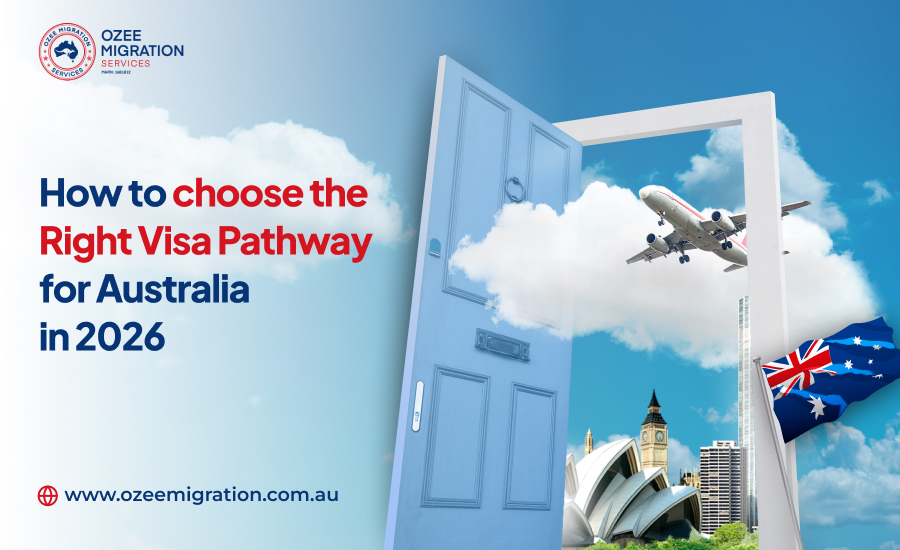
Australia is one of the top countries in the world for students, professionals, skilled individuals, and opportunity seekers worldwide. It’s all simply because the country has so much to offer for immigrants, whether it’s excellent educational facilities, a booming economy, or a wide range of job opportunities.
Not only this, but Australia also encourages immigrants who can drive economic growth and help to solve employment gaps in industries such as finance, information technology, construction, engineering, healthcare, and more in the country. In other words, the best strive to evolve and become even better by welcoming global talent.
For this reason, the Department of Home Affairs, the designated immigration body of Australia, offers and manages a variety of visa programmes that allow people to study, work, and reside permanently in the country.
But let’s be honest, with so many options, it can be difficult to select the right visa for your needs. This blog aims to simplify the process by walking you through the best approach to selecting the right visa pathway for Australia in 2026.
Exploring the Different Visa Pathways for Australia in 2026
To understand which visa to apply for, you should first be aware of all of your options. The Department of Home Affairs has categorised the visa options depending on the purpose they serve. Here are some of the key visa pathways:
Study Visa
The Student Visa (Subclass 500) is for international students who wish to study full-time under a registered course in an approved educational institute in Australia. The applicants can even work during their study periods, but for a limited time. However, they can also work full-time during scheduled breaks.
This visa allows you to live and study in Australia for the duration of your course, and you can transition to a post-study work visa afterwards.
If you are an eligible applicant, you can apply for the Temporary Graduate Visa (Subclass 485) after graduation. This visa makes it possible to gain valuable work experience in Australia through any of the following streams:
- Post-Vocational Education Work Stream
- Post-Higher Education Work Stream
- Second Post-Higher Education Work Stream
Furthermore, the duration and eligibility of the Temporary Graduate Visa largely depend on the type of qualification level, the field of study, the stream you apply under, and some other related factors.
Skilled Migration Visas
Skilled migration is the major Australian permanent migration programme to fulfil occupations that are in high demand across various Australian market sectors. It follows the points-based eligibility criteria that vary as per the visa option.
Skilled Independent Visa (Subclass 189)
The Skilled Independent Visa (Subclass 189) is a permanent visa for highly skilled professionals. Although this visa does not require employer, state, or family sponsorship, it does use the points system. This test evaluates a number of factors that are combined to determine eligibility, including age, education, work experience, English proficiency, and others.
Skilled Nominated Visa (Subclass 190)
The Skilled Nominated Visa (Subclass 190) is a permanent visa that requires nomination from an Australian state or territory government.
Skilled Work Regional (Provisional) Visa (Subclass 491)
The Subclass 491 visa is a temporary visa that is allotted to applicants for working in the designated regional area of Australia. If the visa holder meets the requirements while working on this visa, they can apply for permanent residency as well. For that, they need to qualify for the Permanent Residence (Skilled Regional) Visa (Subclass 191).
Employer-Sponsored Visas
Employer-Sponsored visas are available to people who have received a job offer from Australian employers who are willing and eligible to sponsor them. The main visa options include:
Skills in Demand Visa
The Skills in Demand Visa (Subclass 482) was previously known as the Temporary Skill Shortage (TSS) visa. It clears pathways to permanent residency for workers who meet the necessary eligibility criteria and addresses long-term workforce requirements in Australia.
Employer Nomination Scheme (Subclass 186)
A skilled worker nominated by an Australian employer can obtain a permanent residency visa under the Employer Nomination Scheme (Subclass 186).
Skilled Employer Sponsored Regional (Subclass 494)
The Subclass 494 visa is a temporary visa that allows skilled workers to live and work in regional Australia under some eligible as well as registered employer sponsorship.
Family and Partner Visas
Australia offers a range of Family and Partner visa options for partners, whether they are partners, spouses, fiancés(ees), or other eligible family members, to join the primary visa holders in Australia. It focuses on the reunification of immigrant families in Australia.
Partner Visas (Subclasses 820/801 and 309/100)
These visas allow spouses or de facto partners of Australian citizens or permanent residents to live and work in Australia. These visas are basically initiated with the temporary stage and eventually lead to permanent residency if the requirements are met.
Parent and Child Visas
These visas allow the parents and children of Australian citizens or Australian permanent residents to come and reside in Australia.
Other Family Visas
There are some other family visa options as well, such as carer visas that allow relatives of Australian citizens or Australian permanent residents to live in Australia under some specific circumstances.
Tips to Choose the Right Visa Pathway for Australia
Check out the tips to know when applying for the Australian visa.
Identifying Your Primary Purpose for Migration
But, before diving in with your search, you should know what you are looking for! For that, define the purpose of your visa.
- If your primary goal is education, student visas may be a good place to start.
- If you want to work and build a long-term career, skilled migration or employer-sponsored visas may be better options.
- If you own a business or are an investor, you may be eligible for a business or investment visa.
- If you have Australian family ties, you should consider family-sponsored pathways.
Thus, knowing the purpose can make it much easier to narrow down your search.
Check your eligibility
Once you’ve decided which visa path to take, check the age restrictions, educational requirements, work experience, English language requirements, and financial requirements for the specific visa category. Determine whether you actually meet all of the requirements for your visa before filling in the application.
Consider Long-Term Plans
Clarifying your short- and long-term goals can help you get on the right track by further cutting down your choices and even avoiding unnecessary complications and regrets in the future.
For example, if you are looking for permanent residency, you should explore options that can actually connect you with that. On the other hand, if you are visiting Australia temporarily, there is no need to invest in visa programs that are actually intended for long-term settlement.
Stay Updated On The Policy Changes
The department actually modifies its immigration rules from time to time. For instance, the number of accepted English Language Tests (ELTs) is five to nine as of August 7, 2025, for most visas.
So, make sure you’re aware of the changes to the visa during your research.
Prepare In Advance
The Department of Home Affairs takes some time to evaluate visa applications accurately and fairly. So, make sure you apply for the visa in advance by completing the necessary paperwork and meeting the requirements way before you plan your visit to Australia.
You can check the average processing time for your visa from here.
Key Requirements to Meet for an Australian Visa in 2026.
Here are some of the key requirements for almost every visa that you should know:
- You must meet health and character requirements, as well as pass medical and police background checks.
- You must gather all necessary documents to demonstrate your eligibility for your specific visa.
- You must meet English proficiency requirements. However, the score requirement varies as per the visa option. Most skilled and sponsored visas require an English test such as IELTS, PTE, or TOEFL. However, higher English levels can earn additional points for skilled visas.
- When applying for a skilled visa, you have to get your skills assessed by the relevant assessing authority in Australia.
Wrapping Up
Choosing the right visa pathway begins with having the necessary knowledge. Therefore, when proceeding with the visa application process, you need to be conscious of your personal goals, eligibility requirements, and long-term plans. The best part is that, as long as the purpose of the visit is genuine, there is something for everyone.
If you are still finding it confusing, Ozee migration can help you with this. Our team comprises skilled MARA agents who can guide you through seamless immigration processes. They can provide you with options and help you decide which is best for you. Contact us today to book your appointment for expert visa advice!
Recommend Read: Australia Student Visa 2026: A Complete Guide
Recent Posts
 Can You Switch From a Tourist Visa to a Partner Visa in Australia?October 22, 2026
 Australia Student Visa Changes from October 2026: New Rules ExplainedOctober 15, 2026
 How Does the Subclass 186 Visa Provide a Path to Permanent Residency?October 7, 2026
 How to Apply for a Subclass 491 Visa in Australia: Step-by-Step GuideSeptember 29, 2026
 Australia Migration Changes 2026: New Visa Rules and Key UpdatesSeptember 18, 2026